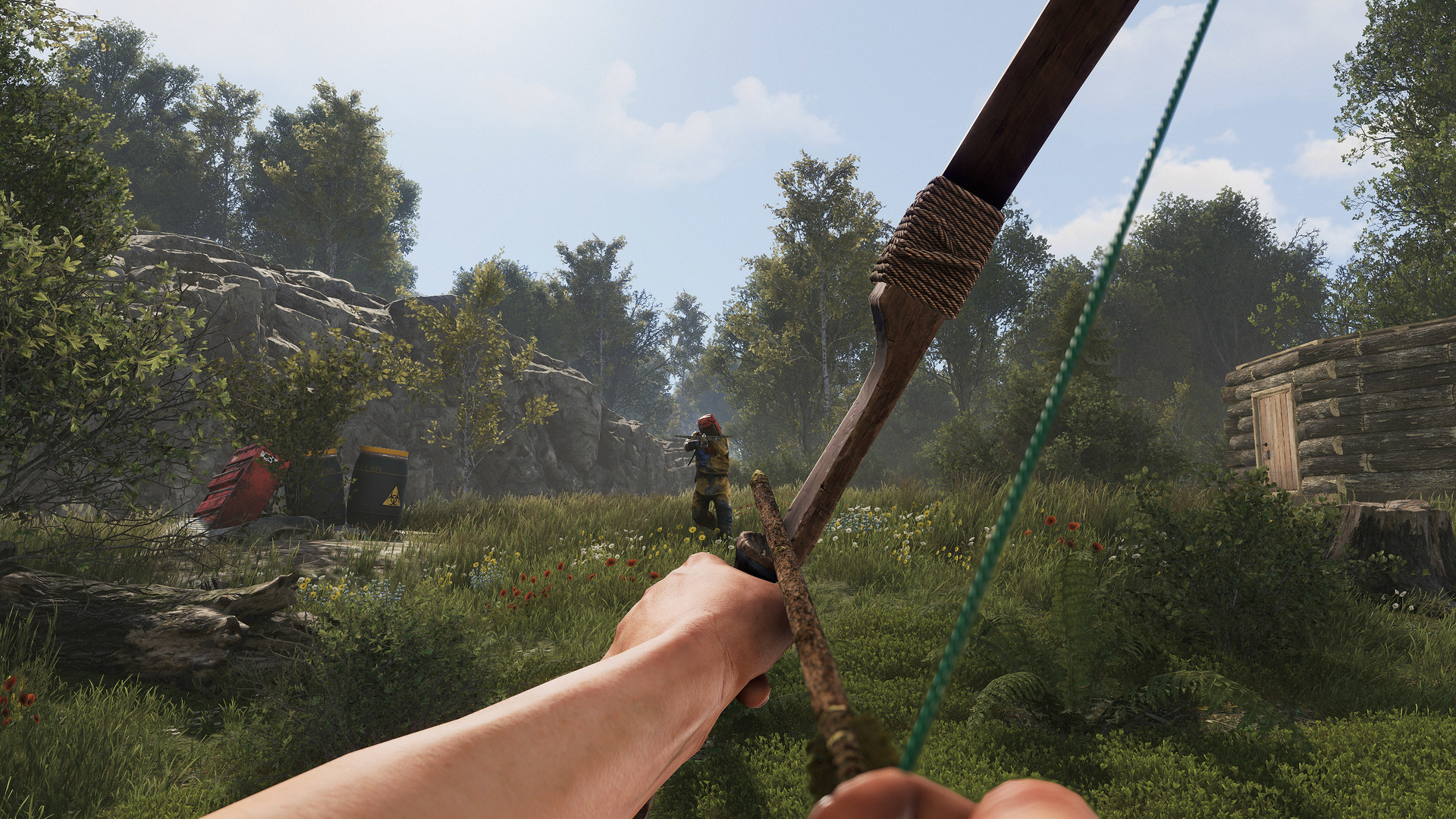
Launching a Rust Server in 2026: From Technical Basics to a Stable Player Base
Why Powerful Hardware Isn’t Enough Anymore
In 2026, launching a Rust server is easier than ever—but building one that players actually stick with is a different story.
A few years ago, low ping and decent uptime were enough to stand out. That’s no longer the case. Today, players expect stability by default, and they quickly leave servers that feel generic or poorly managed.
Most new servers don’t fail because of performance issues—they fail because nobody notices them, or because there’s no reason to come back after the first session.
Technical stability isn’t a competitive advantage anymore. It’s just the minimum.
Technical Optimization for Seamless Gameplay
CPU Priority and Clock Speed
Rust still relies heavily on single-core performance. You can throw more cores at the problem, but if your clock speed is low, your players will feel it—especially during high-activity moments. This has been a consistent theme in updates and discussions from Facepunch Studios, where server-side performance limitations are often tied to how the game handles entities and simulation on a per-core basis.
In practice, servers with high-frequency CPUs tend to handle late wipe scenarios much better, when entity counts are high and bases get more complex. Pingperfect focus specifically on this, which can make a noticeable difference under load.
If you’re aiming for 150–200 concurrent players, this is not the place to cut corners.
DDoS Protection and Network Stability
If your server gains any traction, it will eventually get tested—sometimes literally.
Even short downtime or packet loss can kill momentum, especially for newer communities. That’s why solid network infrastructure and DDoS protection aren’t optional anymore.
Layered protection and stable routing matter more than raw bandwidth. Players will tolerate a lot—but random disconnects aren’t one of them.
Modding with Moderation
Plugins are one of the fastest ways to differentiate your server—but also one of the easiest ways to break it.
Running too many plugins (especially 15–20+) often leads to longer load times, unexpected conflicts, and performance drops during peak hours. This gets worse as the wipe progresses.
Instead of stacking features, focus on a few well-chosen QoL improvements that players actually notice:
– better UI
– smoother progression
– small convenience tweaks
If players don’t feel the benefit within their first session, the plugin probably isn’t worth the overhead.
The Art of Visibility: How Will Players Find You?
Building Trust
Retention is where most servers struggle.
Players come and go—but they only stay if the experience feels consistent. That means:
– predictable wipe schedules
– clear rules
– active (but fair) admin presence
Even small things—like announcing wipes on time or responding on Discord—can make a big difference in whether players return.
A server doesn’t need to be perfect. But it does need to feel reliable.
Cross-Platform Presence
A good server without visibility is basically invisible.
Discord is important, but it’s not where new players discover you. To grow consistently, you need to show up where players are actively searching.
One of the simplest ways to do this is by listing your server on platforms like rustserverlist.com, where players browse based on activity, wipe cycles, and rankings.
If you’re not listed, you’re relying entirely on luck—or word of mouth.
Pro Tip: To keep your server from fading into obscurity, it is essential to register on reputable Rust servers platforms, where players can discover your project based on real-time stats and rankings.
Common Mistakes New Server Owners Make
Before scaling, it’s worth avoiding a few common traps:
– Over-modding early → adds complexity before you have a player base
– Inconsistent wipes → breaks trust quickly
– Silent admins → kills community engagement
– No visibility strategy → even good servers stay empty
Most of these aren’t technical problems—they’re management issues.
Conclusion: Long-term Sustainability
Hosting gives you the infrastructure—but it’s not what keeps players coming back.
A successful Rust server in 2026 is built on consistency, visibility, and small but meaningful improvements to the player experience.
Strong hardware and reliable hosting from Pingperfect will give you a solid foundation. But long-term growth comes from how you manage the server and how visible you make it.
If you focus on those two things, you’re already ahead of most new servers launching this year.